

Is a Recession Looming? Here’s What You Need to Know
The term “Trumpcession” has been making waves across economic and political discussions, raising concerns about an impending economic downturn driven by policy decisions, market shifts, and global uncertainty. Whether you’re an experienced real estate investor or considering your first investment, understanding the potential impact of this economic climate is essential for protecting and growing your portfolio.
What’s Driving the ‘Trumpcession’ Concerns?
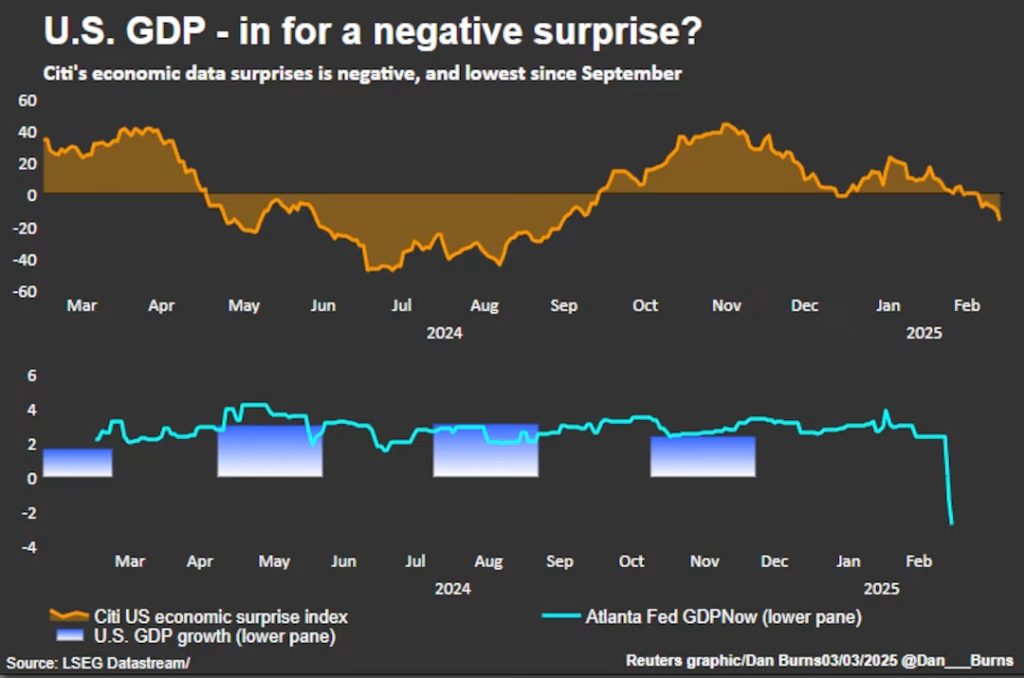
Fears of a “Trumpcession” are rising as U.S. GDP slows, debt soars, and inflation bites. With market uncertainty and weakening consumer spending, a downturn looms. A combination of economic factors is contributing to the uncertainty, including:
- Market Volatility: Increased fluctuations in the stock market are causing investors to look for stable asset classes like real estate.
- Federal Interest Rate Policies: The Federal Reserve’s monetary policies could lead to higher borrowing costs, making it more expensive for homebuyers and investors.
- Tariff Wars & Inflation: Rising tariffs on construction materials and increased inflation could drive up housing costs, slowing new development projects.
- Layoffs & Job Market Uncertainty: Tech sector layoffs and cost-cutting in major corporations may impact housing demand in certain metropolitan areas.
How Will Trumpcession Impact Real Estate?

While economic downturns bring challenges, they also create unique investment opportunities. Here’s what to expect:
1. Increased Demand for Rental Properties
As mortgage rates rise and affordability declines, more people will turn to renting instead of buying. This trend benefits investors in multi-family units, single-family rentals, and co-living spaces, leading to higher occupancy rates and increased rental income.
2. Shift Toward Cash-Flow Investments
Property appreciation may slow, meaning investors can no longer rely on rising home values to drive returns. Instead, cash flow becomes king—properties generating consistent rental income will outperform speculative investments.
3. Buying Opportunities in a Correcting Market
A cooling market often brings lower property prices in certain regions, presenting buying opportunities for investors with available capital. Strategic investors can secure prime real estate at a discount and benefit from long-term gains.
4. Regional Market Variations
Not all real estate markets will be affected equally. Tech-heavy cities experiencing job losses may see price dips, while affordable secondary markets could remain stable or even grow due to increased migration and investment interest.
BricksFolios Insights: Strategies to Navigate Uncertainty
✅ Diversify Your Investments: A balanced portfolio across multiple property types and locations can help hedge against market downturns.
✅ Prioritize Cash Flow Over Appreciation: Invest in rental properties with strong demand and positive cash flow instead of relying on speculative growth.
✅ Seek Expert Guidance: Working with experienced real estate professionals can help identify recession-resistant opportunities and mitigate risks.
Final Thoughts
While the possibility of a Trumpcession raises concerns, real estate remains a resilient asset class that can provide stable returns, passive income, and long-term appreciation when approached strategically. The key is staying informed, adapting your investment approach, and making data-driven decisions.
Want to stay ahead of market changes?
Subscribe to our newsletter for expert insights, recession-proof investment strategies, and exclusive real estate opportunities.
💰📉 Don’t wait for the market to decide your future—book a free strategy session with BricksFolios today and secure your wealth with smart, recession-proof investments! 🚀🏡 Schedule your session now!
👉 https://bricksfolios.inbestments.com/JoDixit/meet-our-founders
Leave a Reply